Old timber homes across Sydney face a persistent threat that can compromise their structural integrity within months: termite infestation. These silent destroyers consume the cellulose-rich wood that forms the backbone of heritage properties, often causing extensive damage before homeowners notice any visible signs. The warm, humid climate in many Sydney suburbs creates ideal conditions for termite colonies to thrive, making effective treatment not just advisable but essential.
What is the most effective termite treatment sydney for old timber homes? The answer lies in a tailored combination approach rather than a one-size-fits-all solution. Each property presents unique challenges based on its construction type, soil conditions, and environmental factors.
The two primary treatment systems—chemical termite barriers and in-ground baiting systems—each offer distinct advantages. Chemical barriers create long-lasting protective zones around your property, whilst baiting systems target and eliminate entire colonies at their source. Homes built on concrete slabs may benefit most from chemical treatments, whereas split-level properties on steep terrain often require baiting solutions.
The most successful termite management strategies combine these treatments with regular professional inspections and preventive maintenance. This integrated approach addresses both active infestations and future risks, preserving the character and value of Sydney’s cherished timber homes for generations to come.
What Types of Termites Threaten Old Timber Homes in Sydney?
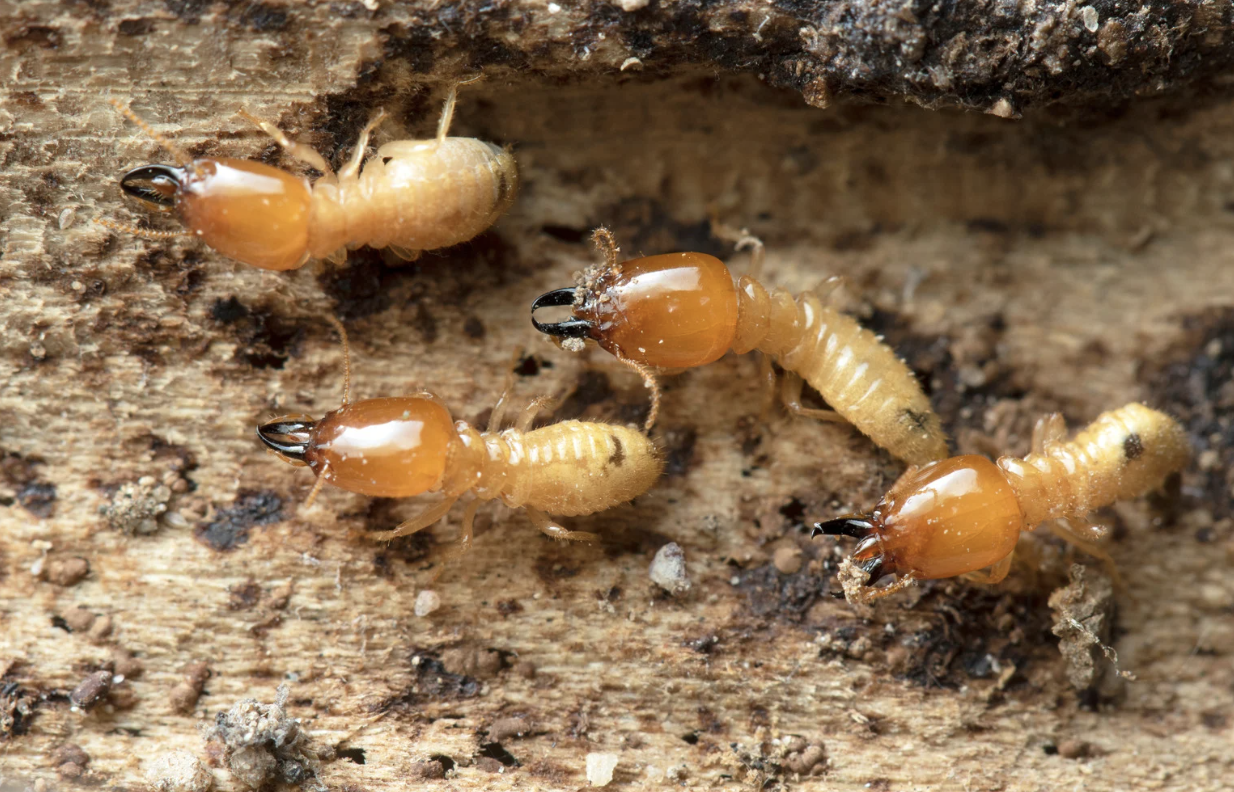
Three primary termite species Sydney homeowners face are subterranean termites, drywood termites, and dampwood termites. Each species attacks timber homes differently, requiring distinct identification and treatment approaches.
1. Subterranean Termites
Subterranean termites represent the most destructive threat to old timber structures. These termites maintain constant contact with soil to access moisture, constructing distinctive mud tubes along foundations, walls, and timber surfaces. They consume wood from the inside out, leaving a thin veneer that masks extensive internal damage until structural failure occurs.
2. Drywood Termites
Drywood termites operate independently of soil contact, establishing colonies directly within dry timber. They tunnel through structural beams, flooring, and furniture whilst leaving behind dry, pellet-like frass near entry points. The damage often remains hidden for years as these termites create smooth galleries within wood, weakening load-bearing elements without obvious external signs.
3. Dampwood Termites
Dampwood termites target weathered or moisture-damaged timber, particularly in areas with poor drainage or ventilation. They prefer decaying wood in contact with damp soil or exposed to weather conditions. Whilst less common than subterranean species, dampwood termites accelerate deterioration in already compromised timber, creating entry points for other pest species and fungal decay.
Each termite species Sydney properties encounter demands specific detection methods and treatment protocols based on their unique nesting habits and moisture requirements.
Why Are Old Timber Homes Particularly Vulnerable to Termite Infestations?
What makes heritage timber homes such attractive targets for termites? The answer lies in their construction materials and decades of environmental exposure. Timber vulnerability increases significantly as wood ages, creating ideal conditions for termite colonisation.
The cellulose content in timber serves as the primary food source for termites. Older homes contain abundant untreated timber throughout their structure—from floor joists and wall studs to roof framing and decorative elements. Unlike modern treated timber, these historical building materials offer no chemical resistance to termite attack.
Age-related deterioration compounds the old homes termite risk through several pathways:
- Structural settling creates gaps in foundations and walls, providing termites with easy entry points
- Weathering breaks down protective paint and sealants, exposing bare wood to moisture and insects
- Outdated construction practices often placed timber in direct soil contact, eliminating the moisture barrier termites need to avoid
- Accumulated moisture damage from decades of minor leaks softens timber fibres, making them easier for termites to consume
Historic homes frequently lack the physical barriers standard in contemporary construction. Missing ant caps, deteriorated concrete slabs with unsealed cracks, and inadequate subfloor ventilation all contribute to heightened vulnerability. The combination of accessible cellulose-rich timber and compromised structural defences transforms these beautiful properties into high-risk targets for persistent termite colonies.
What Are the Most Common Termite Treatment Options for Old Timber Homes in Sydney?
Sydney homeowners have two primary termite treatment types available: chemical barriers and in-ground baiting systems. Each method offers distinct advantages depending on your home’s construction and surrounding environment.
1. Chemical Termite Barriers
Chemical termite barriers involve applying non-repellent termiticides like Termidor into trenches dug around your home’s perimeter or injecting the solution directly into drilled holes in the soil. The chemical creates an invisible zone that termites cannot detect, allowing them to pass through and transfer the active ingredient to their colony members. This treatment remains effective for up to 8 years and suits homes with slab construction particularly well, especially in sandy loam or rock-barren soil conditions. It’s also worth noting that pre-construction subterranean termite control can be an effective strategy for new builds.
2. In-Ground Baiting Systems
In-ground baiting systems use strategically placed stations containing cellulose-based inserts treated with insect growth regulators (IGRs). Popular products include Sentricon Always Active and Trelona, which contain chitin synthesis inhibitors. Termites consume the bait and share it throughout their colony, disrupting their moulting process and eventually eliminating the entire population.
The choice between these termite treatment types depends on specific site conditions:
- Chemical barriers work best for level properties with accessible perimeters.
- Baiting systems excel in split-level homes, steep slopes, or areas where soil treatment proves challenging.
Many pest controllers recommend combining both methods for comprehensive protection.
How Does an Integrated Termite Management Strategy Maximise Protection?
Integrated termite management Sydney approaches recognise that single-method treatments leave gaps in protection. Chemical barriers can fail at construction joints or drainage points, whilst baiting systems depend on termites discovering stations before they reach your home’s timber. Old timber structures with multiple entry points, irregular foundations, and decades of modifications create vulnerabilities that no single treatment addresses comprehensively.
Combined treatments termites strategies layer multiple defence mechanisms to create redundancy. A typical integrated approach includes:
- Chemical barriers around the perimeter to block soil-dwelling termites
- Baiting stations in high-risk zones like gardens, tree stumps, and damp areas
- Physical modifications such as removing timber-soil contact points
- Moisture management through improved drainage and ventilation
- Scheduled inspections every 6-12 months to detect breaches early
This multi-layered system means if termites bypass one defence, others remain active. Chemical treatments protect the building envelope whilst bait stations eliminate colonies before they establish. Preventive measures reduce attractants that draw termites to your property initially.
The combination proves particularly effective for heritage timber homes where structural complexity makes single treatments inadequate. Regular professional monitoring ties these elements together, identifying which treatments need reinforcement and where new risks emerge as your home ages.
Why Are Regular Termite Inspections Crucial for Old Timber Homes?
Termite inspections Sydney services provide the first line of defence against hidden infestations that can silently destroy timber structures. Early detection termites makes the difference between minor repairs and catastrophic structural damage, as termites can consume significant amounts of wood before visible signs appear.
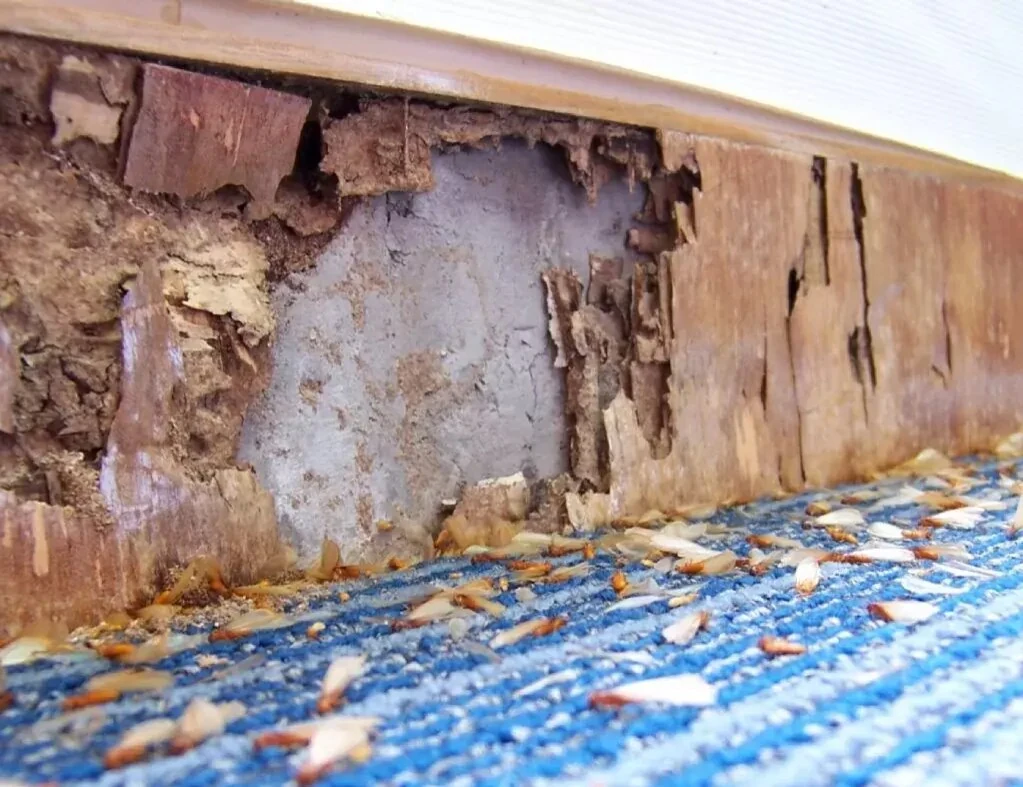
Old timber homes require inspections at least annually in cooler Sydney areas, with twice-yearly checks recommended for warmer regions where termite activity intensifies. These scheduled assessments identify warning signs such as:
- Mud tubes running along foundations or walls
- Hollow-sounding timber when tapped
- Discarded wings near windows or doors
- Fine sawdust-like frass accumulating below wood surfaces
- Visible damage to exposed timber beams
Homeowners can conduct basic visual checks around their property, looking for obvious indicators in accessible areas. Professional pest control specialists bring specialised training and detection equipment that reaches beyond surface-level observations. Licensed inspectors use moisture meters, thermal imaging cameras, and acoustic detectors to locate termite colonies within wall cavities, under floors, and in roof spaces—areas homeowners cannot adequately assess.
The thoroughness of professional inspections extends to examining external factors like drainage issues, timber-to-ground contact points, and vegetation proximity. This comprehensive approach identifies both active infestations and conditions that invite future termite problems, allowing property owners to address vulnerabilities before colonies establish themselves.
What Preventive Measures Should Homeowners Take Alongside Treatments?
Termite prevention strategies in Sydney go beyond professional treatments and include important maintenance practices that make it difficult for termites to thrive. Homeowners who take proactive measures can greatly reduce the chances of an infestation by making specific changes to their property.
Moisture Control for Timber Homes
It’s crucial to address any water-related problems immediately:
- Fix leaking taps, pipes, and gutters promptly to eliminate moisture sources that attract termites.
- Improve drainage around your home’s perimeter by ensuring downpipes direct water at least two metres away from foundations.
- Install adequate subfloor ventilation to reduce humidity levels beneath timber floors.
Timber Debris Removal
Getting rid of timber debris is a vital step in preventing termite activity:
- Clear all timber offcuts, stumps, and firewood stored against or near your home’s exterior.
- Remove untreated timber in direct ground contact, including old fence posts and garden edging.
- Eliminate tree roots, fallen branches, and mulch piled against foundations.
- Store necessary timber materials on raised concrete or metal stands.
Landscaping Choices
The choices you make in landscaping can significantly impact the risk of termites:
- Maintain a 300mm clearance between soil and timber components of your home.
- Replace timber garden beds with metal or masonry alternatives near the house.
- Trim vegetation away from external walls to improve air circulation and reduce moisture retention around vulnerable timber areas.
Conclusion
Protecting your heritage timber home requires more than a one-size-fits-all approach. Every property presents unique challenges—from construction type and soil conditions to moisture levels and surrounding landscape. Consulting a qualified pest control professional ensures you receive effective termite treatment Sydney old homes deserve, with strategies tailored specifically to your situation.
The question “What Is the Most Effective Termite Treatment in Sydney for Old Timber Homes?” has no single answer. Success lies in combining appropriate treatments—whether chemical barriers, baiting systems, or both—with consistent inspections and diligent preventive maintenance.
Your timber home represents decades of craftsmanship and investment. Taking a proactive stance against termites safeguards not just the physical structure but also the property’s market value and historical significance. Regular professional assessments, coupled with your own vigilance, create the strongest defence against these destructive pests.
Termite protection strategies work best when implemented before damage occurs. Don’t wait for visible signs of infestation—schedule your comprehensive inspection today and secure your home’s future.
Related : Rodent Exterminator Sydney: How Do Experts Track Entry Points?
FAQ’s on Effective Termite Treatment
The most effective termite treatment for Sydney’s old timber homes is a combined approach using both chemical barriers and in-ground baiting systems. Chemical barriers create a long-term protective zone around the home, while baiting systems eliminate termite colonies at the source. This dual strategy offers maximum protection, especially for heritage properties with irregular structures and multiple entry points.
Old timber homes are more susceptible to termites due to untreated wood, decades of moisture exposure, and outdated construction practices that often involve timber-to-soil contact. Gaps, cracks, and poor ventilation also make it easier for termites to enter and thrive unnoticed.
Sydney homeowners typically encounter three termite species:
Subterranean termites (most destructive, soil-dwelling)
Drywood termites (live in dry timber, no soil contact needed)
Dampwood termites (target moist or decayed wood)
Each species requires a tailored treatment method to ensure complete elimination and prevention.
Chemical termite barriers are applied to the soil surrounding the home. Termites unknowingly pass through treated zones, picking up the termiticide and spreading it throughout the colony. Leading products like Termidor remain active for up to 8 years, making them ideal for homes with slab-on-ground construction.
In-ground baiting systems use discreet stations placed around the property, containing termite bait treated with insect growth regulators (IGRs). Products like Sentricon and Trelona disrupt the termites’ molting cycle, eliminating the entire colony over time. Baiting is particularly effective for properties with complex layouts or steep terrain.
Yes. Combining chemical barriers with baiting systems forms a comprehensive termite management plan. This approach offers immediate soil protection while actively targeting and eliminating nearby colonies—especially important for older homes with multiple risk factors.
Professional termite inspections should be conducted at least once per year—and twice yearly in high-risk or warmer areas of Sydney. Early detection is key, as termites can cause major structural damage before any visible signs appear.
Look for:
Mud tubes on walls or foundations
Hollow-sounding timber
Discarded termite wings
Frass (termite droppings)
Sagging floors or doors
Musty odours or bubbling paint
If you spot any of these, schedule a professional inspection immediately.
Effective prevention includes:
Fixing leaks and improving drainage
Removing timber debris and old stumps
Maintaining subfloor ventilation
Keeping gardens clear of foundation walls
Ensuring at least 300mm clearance between soil and timber
These habits make your home less attractive to termites and support ongoing treatments.
Costs vary depending on property size, construction type, and infestation severity. On average:
Chemical barrier treatments range from $1,500 to $4,000+
Baiting systems start around $2,500 to $5,000+
Annual inspections typically cost $250–$350
A tailored quote from a licensed pest controller is essential to determine the most cost-effective solution.