Manly is the most demanding floral environment on Sydney’s north side. Salt air, strong sea breeze, full sun, high humidity in summer, and a huge volume of outdoor events. A bouquet that would sail through a Cremorne afternoon can have a genuinely hard time on the Corso.
A florist Manly locals rely on designs for those conditions rather than ignoring them. Here is what actually works, and how to order well.
Coastal conditions change everything
Wind. The single biggest factor. Delicate petals bruise, tall arrangements topple, and loose designs blow apart. Sturdy, compact and weighted wins.
Salt air. Accelerates deterioration in soft-petalled flowers. Waxy and robust varieties cope far better.
Sun. Direct coastal sun is brutal on cut flowers. Morning deliveries and shaded placement are essential.
Humidity. Summer humidity softens petals and encourages bacteria in vase water, which means water changes matter more here.
Varieties that thrive in Manly
- Natives. Banksia, protea, kangaroo paw, flannel flower, geraldton wax, eucalyptus. Evolved for exactly these conditions and last two to four weeks.
- Proteas and leucadendron. Waxy, tough, sculptural, and completely at home in a coastal interior.
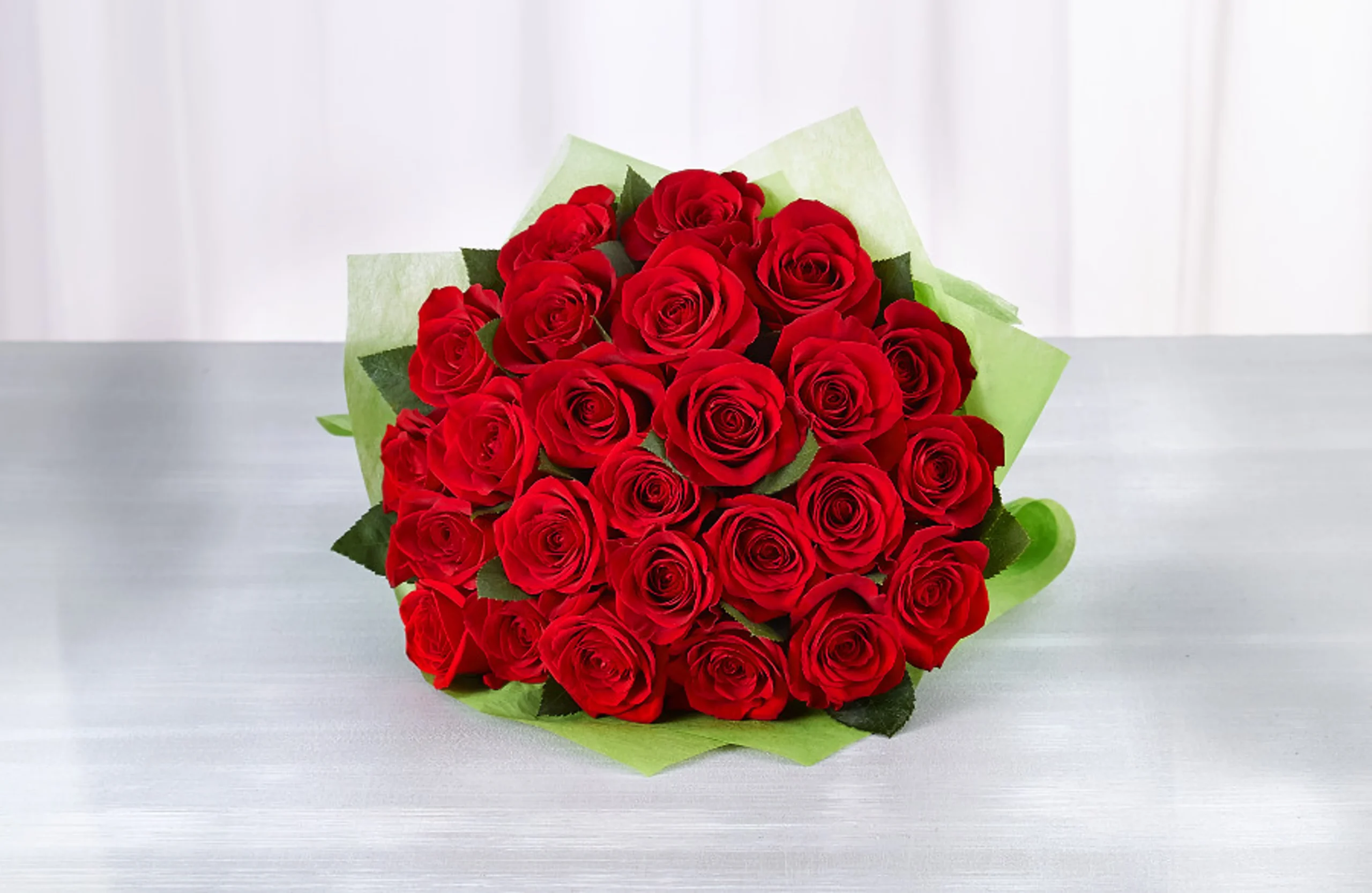
- Roses. More resilient than they look, especially standard and spray varieties.
- Chrysanthemum and carnation. Unglamorous reputation, outstanding durability.
- Orchids. Handle humidity extremely well, which makes sense given where they grow.
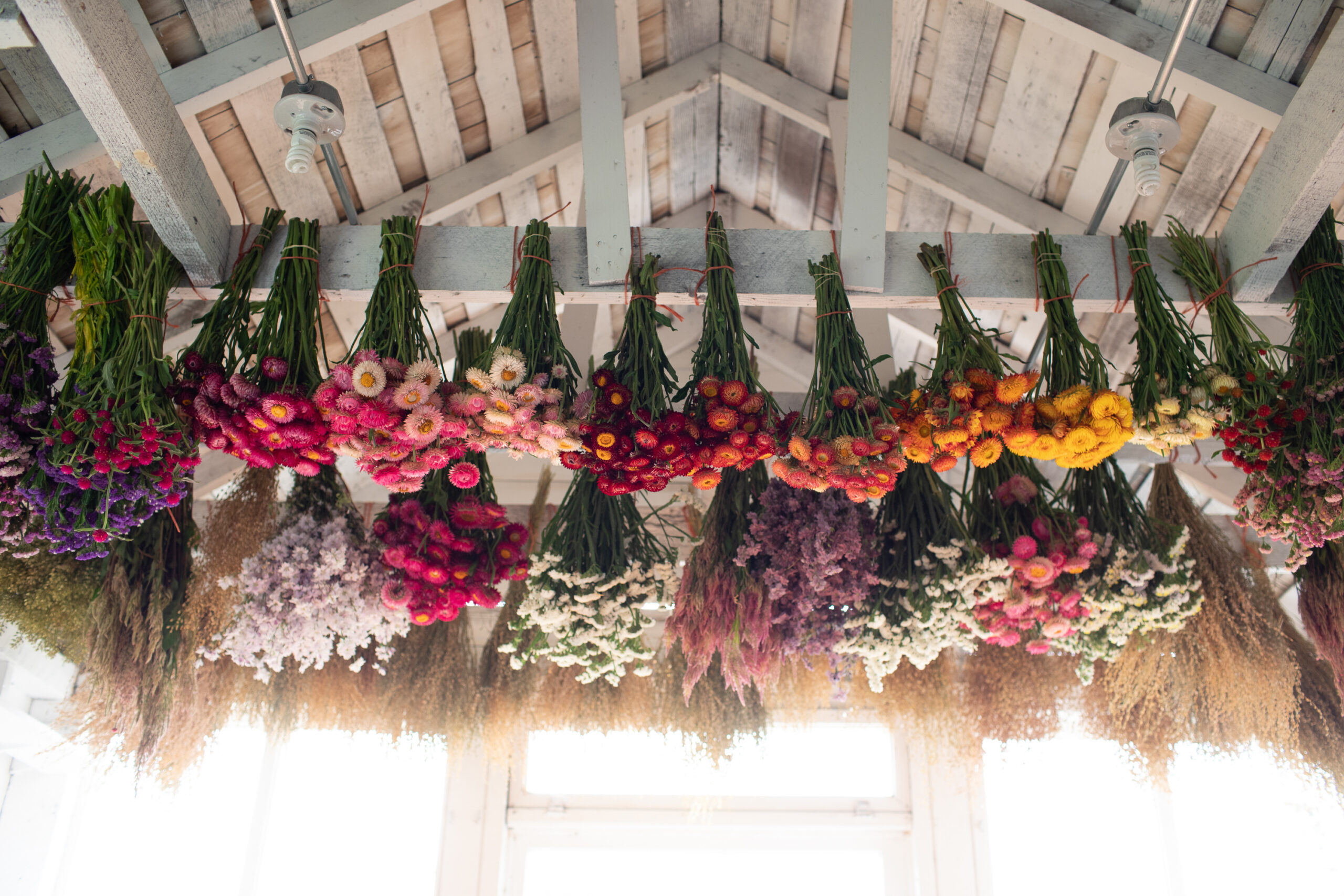
- Grasses and dried elements. Effectively weatherproof and very suited to the coastal aesthetic.
- Tropicals. Ginger, heliconia, anthurium. Built for heat and humidity.
Varieties to be careful with in coastal wind and heat include fully open peonies, hydrangea, sweet pea and poppies. Beautiful, but they want shelter.
Beach and outdoor wedding advice
Manly, Shelly Beach, Fairlight and the surrounding foreshore host an enormous number of ceremonies, and the floral rules are different outdoors.
- Keep arrangements low and heavy, or properly anchored
- Avoid suspended hoops and tall freestanding structures in sea breeze
- Choose robust varieties: natives, proteas, roses, orchids, grasses
- Use hurricane glass for any candles, or skip them entirely
- Deliver as late as practical and keep everything in water and shade until the last moment
- Have a wet weather plan agreed with your florist and venue in advance
- Check whether your ceremony site requires a council permit or booking
For inspiration that actually suits the climate, local public gardens are the best free resource available. Northern Beaches Council’s Stony Range Regional Botanic Garden showcases native plantings and floral displays, plus volunteer propagation work, and it translates directly into coastal wedding palettes.
Delivery zones and cut-offs
A florist Manly customers use will typically cover Manly, Fairlight, Balgowlah, Balgowlah Heights, Seaforth, Clontarf, North Manly, Queenscliff, Freshwater and Curl Curl in a core zone, extending across the Spit to Mosman, Cremorne, Neutral Bay and North Sydney.
The Spit Bridge is the defining logistical fact of the area. It adds unpredictable time, particularly on Friday afternoons and during summer weekends, and any competent local florist builds routes around it.
Same day delivery generally requires an order before around 11am on weekdays. Next day is better, giving the florist the chance to buy specifically for your order at the Sydney Flower Market at Flemington that morning. Expect delivery fees of ten to twenty five dollars depending on the zone.
What is in season
Spring. Ranunculus, tulips, boronia, waratah, flannel flower, late peonies.
Summer. Sunflowers, hydrangea, dahlias, celosia, tropicals. Heat tolerance is the priority.
Autumn. Garden roses at their peak, dahlias, berries, lisianthus.
Winter. Camellia, hellebore, jonquil, tulips, banksia, wattle.
For coastal homes, weight your choices toward natives and proteas year round. They suit the light, the architecture and the conditions, and they last dramatically longer than soft imported stems.
Why natives handle this environment so well
It is not just toughness. Native cut flowers behave differently at a physiological level. Research listed through the University of Melbourne into ethylene sensitivity in Australian native cut flower genera found that Calothamnus, Grevillea and Philotheca were not significantly affected by ethylene exposure, while a silver thiosulphate treatment significantly extended vase life.
That resistance to the hormone that drives petal drop is a large part of why a banksia arrangement is still looking sharp in a sunny Manly living room three weeks later, while a box of imported roses is finished in five days.
Pricing
- $45 to $60: seasonal posy or native bunch
- $65 to $90: standard bouquet with real volume
- $95 to $140: premium focal flowers, vased
- $150 plus: statement pieces and event work
- Delivery: $10 to $25 depending on zone
Care advice for coastal homes
Keep vases out of direct sun and away from open windows on windy days. Change the water every second day, more often in summer humidity. Re-cut stems each time. Keep arrangements away from the fruit bowl.
For natives, less is more: they need clean water but tolerate neglect far better than soft-stemmed flowers, which is exactly what you want in a beach house.
Getting the best from a local florist
Order in the morning. Ask what is good this week. Give a palette and a budget rather than a photo. Mention that the arrangement is going somewhere exposed or coastal, because it genuinely changes the design. Provide full address details and a mobile number.
That last point matters more here. Manly’s mix of apartments, unit blocks and beach houses with side entrances means a driver needs a contact number far more often than in a standard suburb.