


A professional display is less about showing everything and more about presenting the right pieces, in the right way, with consistent materials and spacing.
What are medallion holders and why do they look more professional than loose displays?
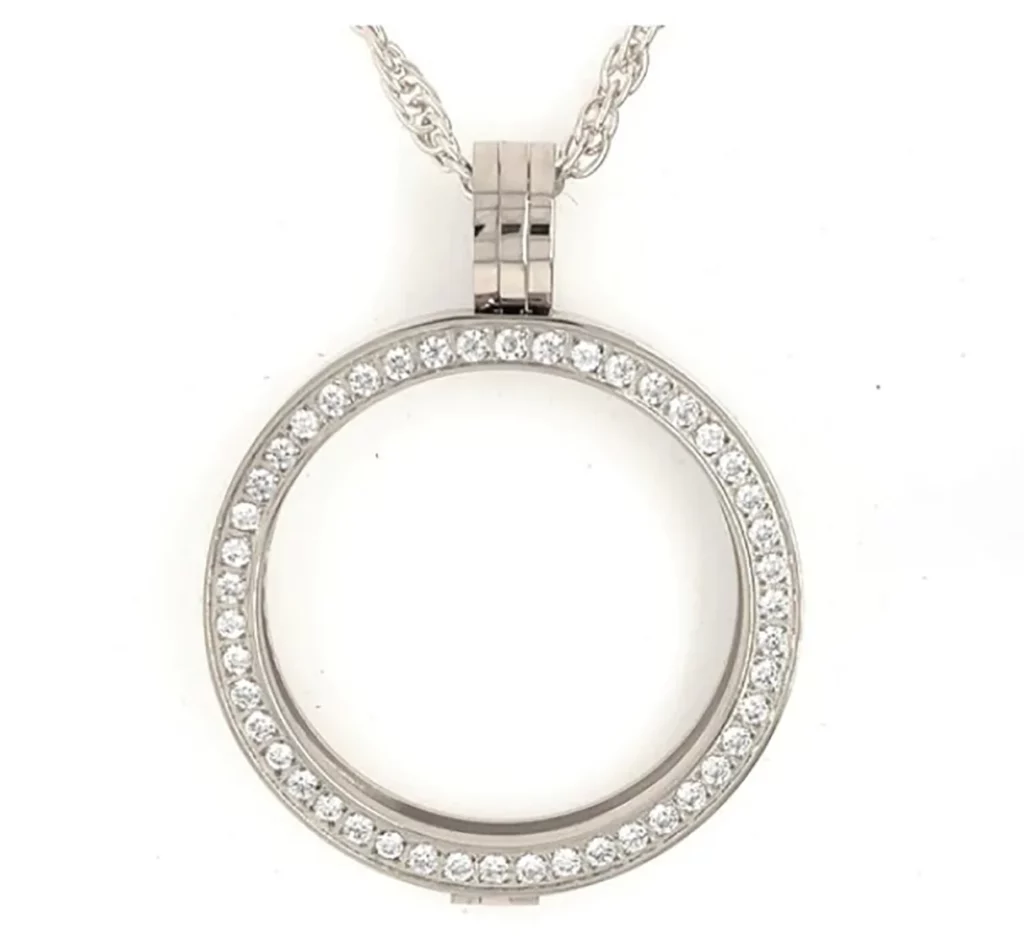
Medallion holders are cases, frames, or stands designed to secure and present medals, coins, and commemorative pieces. They look more professional because they prevent tangles, fingerprints, fading, and visual chaos.
Unlike hooks or piles in drawers, holders create structure. They also communicate that the award is valued, preserved, and presented with care.
Which types of medallion holders work best for different award styles?
The best holder depends on the medal’s size, weight, ribbon style, and how formal the setting is. A mismatch can make even an impressive award look cheap or improvised.
Common professional options include shadow boxes, coin capsules in presentation cases, wall-mounted frames with ribbon bars, and desk stands for a single “feature” medal.
When should they choose a wall display versus a desk display?
They should choose a wall display when the goal is visibility and a clean background, such as in a reception area, hallway, or office wall. Wall displays also scale well if they plan to add more awards over time.
They should choose a desk display when the goal is a subtle signal in a meeting space. A single medal on a stand often looks more premium than several crowded pieces on a small surface.
How can they create a clean, “gallery” layout that does not feel cluttered?
They can avoid clutter by limiting the number of items per holder and standardizing spacing. A professional display usually has consistent margins, aligned edges, and a clear focal point.
If they are showing multiple medals, they can group them by category, year, or achievement type. Keeping ribbons straight, labels minimal, and frames identical helps the whole arrangement feel intentional.
What materials and finishes look most premium in professional settings?
Premium displays usually rely on simple materials that do not compete with the award. Wood frames in walnut, black, or natural oak read as classic. Matte metal, acrylic with clean edges, and museum-style glass feel modern.
Glossy plastics and mixed finishes tend to look less formal. If the awards already have bright enamel or gold tones, neutral frames keep attention on the medal itself.
How should they label medals without making the display look busy?
They should label only what a viewer needs to understand the achievement. A small engraved plaque or a minimal printed label inside the holder is usually enough.
Best practice is to include the award name, organization, and year. Long descriptions can live elsewhere, such as a portfolio, a website, or a separate document, instead of on the display.
How do they protect awards from fading, dust, and damage over time?
They can protect awards by choosing holders with UV-resistant glazing and a sealed or semi-sealed backing. Light is the main reason ribbons fade, especially in sunny rooms.
They can also reduce handling by using holders that open easily but keep medals secured. For cleaning, a soft microfiber cloth and minimal contact with metal surfaces helps avoid scratches and fingerprints.
Where should they place medallion displays for maximum credibility?
They should place displays where they are naturally seen, not where they feel like self-promotion. Offices, meeting rooms, entryways, and professional studios are common choices.
The best placements are at eye level with good, indirect lighting. If a display is positioned behind a desk chair or in a dark corner, it loses impact and can look like an afterthought.
What are the most common mistakes that make award displays look unprofessional?
The most common mistake is overcrowding, which makes achievements hard to read and visually noisy. Another is mixing frame styles, sizes, and colors without a plan.
They also undermine credibility by using damaged frames, crooked mounting, or visible adhesive. A professional display looks level, clean, and consistent, with medals secured and ribbons neatly arranged.
What is a simple checklist they can follow before mounting or framing anything?
They can follow a short checklist to keep the final result polished:
- Decide the purpose: showcase one highlight or a curated set.
- Choose one holder style and finish for consistency.
- Measure medals and ribbons so nothing bends or overlaps.
- Use UV protection if the display will see daylight.
- Keep labels short and aligned.
- Mount at eye level and ensure everything is level.
A professional medallion holder display is not about showing more. It is about showing the right awards in a way that looks deliberate, preserved, and easy to understand. Learn more about custom car air freshener Australia: a smart promotional tool?
FAQs (Frequently Asked Questions)
What are medallion holders and why do they look more professional than loose displays?
Medallion holders are cases, frames, or stands designed to secure and present medals, coins, and commemorative pieces. They look more professional because they prevent tangles, fingerprints, fading, and visual chaos. Unlike hooks or piles in drawers, holders create structure and communicate that the award is valued, preserved, and presented with care.
Which types of medallion holders work best for different award styles?
The best medallion holder depends on the medal’s size, weight, ribbon style, and the formality of the setting. Common professional options include shadow boxes, coin capsules in presentation cases, wall-mounted frames with ribbon bars, and desk stands for a single feature medal. Choosing the right holder ensures the award looks premium rather than cheap or improvised.
When should one choose a wall display versus a desk display for medallions?
Choose a wall display when aiming for visibility and a clean background—ideal for reception areas, hallways, or office walls. Wall displays also scale well for adding awards over time. Opt for a desk display when you want a subtle signal in meeting spaces; a single medal on a stand often looks more premium than several crowded pieces on a small surface.
How can I create a clean, gallery-style medallion layout that avoids clutter?
Avoid clutter by limiting items per holder and standardizing spacing with consistent margins and aligned edges. Group multiple medals by category, year, or achievement type. Keep ribbons straight, labels minimal, and use identical frames to make the arrangement feel intentional and professional.
What materials and finishes offer the most premium look for professional medallion displays?
Premium displays use simple materials that don’t compete with the award. Wood frames in walnut, black, or natural oak offer classic appeal. Matte metal, acrylic with clean edges, and museum-style glass provide a modern feel. Avoid glossy plastics and mixed finishes as they tend to look less formal; neutral frames help keep attention on bright enamel or gold-toned medals.
How can I protect my awards from fading, dust, and damage over time?
Protect awards by choosing holders with UV-resistant glazing and sealed or semi-sealed backing to prevent light-induced fading. Reduce handling by using holders that secure medals but open easily. For cleaning, use a soft microfiber cloth with minimal contact on metal surfaces to avoid scratches and fingerprints.