

This guide breaks down what to check so they can book with confidence, not hope.
What tattoo style are they actually trying to get?
When choosing a tattoo parlour Sydney, they should define the style before shortlisting studios, because “good tattoos” is too broad. A tattoo parlour Sydney may excel in traditional, fine line, realism, Japanese, neo-traditional, blackwork, script, or illustrative work, but rarely all at the same level.
If they are unsure which direction suits them, they can screenshot 8 to 12 examples they genuinely like, then look for the common thread: line weight, shading softness, colour palette, and level of detail. That clarity makes it much easier to choose the right tattoo parlour Sydney for the next step.
Which artists in Sydney specialise in that style?
They should choose an artist first and a studio second, because the artist’s portfolio is the product. Many top Sydney studios house multiple artists with very different strengths, so a great studio name alone does not guarantee the right match.
They can shortlist 3 to 5 artists whose recent work matches their references, then check whether the artist posts healed results, not only fresh tattoos. Healed photos reveal line stability, softness of shading, and whether fine details hold up.
How can they read a portfolio like a professional?
They should look for consistency, not one standout post. A strong portfolio shows the same quality across different skin tones, body placements, and lighting conditions.
They can zoom in and check three things: clean lines without wobble, smooth gradients without patchiness, and solid blacks without scarring or overworked texture. If the artist’s photos are heavily filtered or always shot in extreme shadows, they should ask for clearer examples or healed shots.
What should they look for on the studio’s website and socials?
They should expect transparent pricing signals, clear booking steps, and visible hygiene standards. A trustworthy tattoo parlour in Sydney typically shows licensing details or at least clear hygiene practices, plus aftercare guidance that reads like a system, not an afterthought.
Their socials should show a steady stream of real client work and tagged clients. If comments are turned off or every post looks like a photoshoot with no context, they should double-check credibility with reviews and direct questions.
How do they verify hygiene and safety without feeling awkward?
They should ask directly, because professional studios expect it. They can confirm single-use needles, sealed cartridges, disposable ink caps, medical-grade surface barriers, and sterilisation protocols for any reusable equipment.
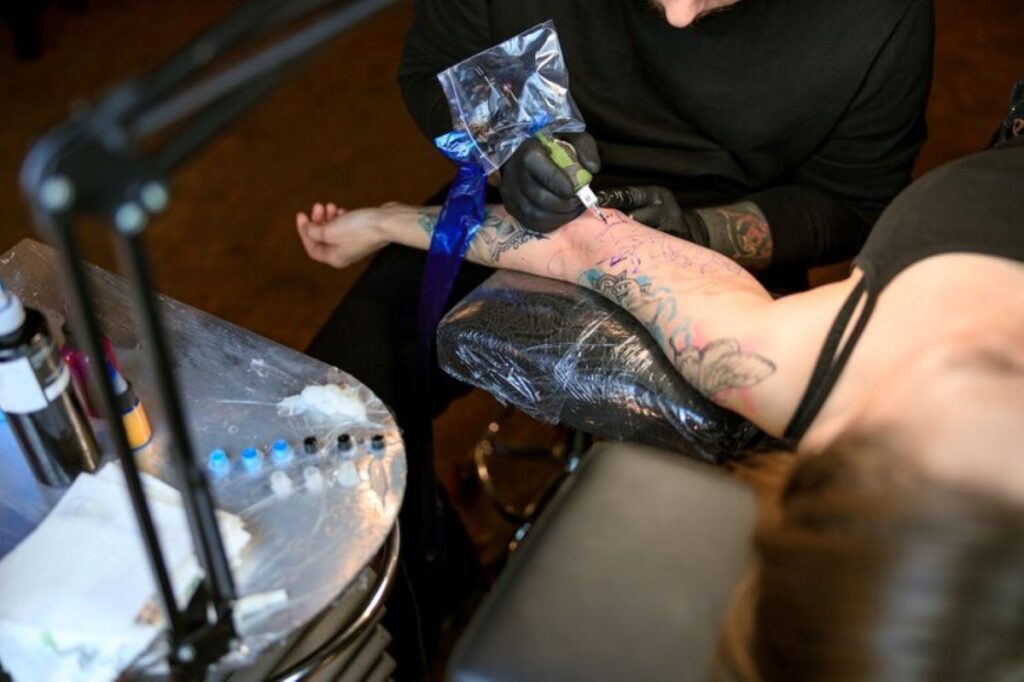
During a consult or on arrival, they can look for glove use, clean stations, sharps containers, and artists setting up from sealed packages. If the studio feels defensive, rushed, or messy, they should walk away. A tattoo is optional, infection is not.
How can they use reviews without getting misled?
They should read patterns, not star ratings. One angry review might be about scheduling or pain expectations, but repeated mentions of poor communication, sloppy linework, or bad healing are meaningful.
They can prioritise reviews that include photos and details about the full experience: consult, stencil, session comfort, and aftercare support. If a studio replies calmly and solutions-focused to criticism, that is usually a good sign of how they handle issues.
What should they ask during a consultation?
They should treat the consult like a fit check, not a formality. The right artist will translate references into a tattoo that suits placement, skin texture, and long-term ageing.
Useful questions include: how they would simplify or adjust the design, how many sessions it may take, how they price, what prep is required, and what healing should look like day by day. If the artist dismisses questions or pressures them into a deposit fast, they should pause.
How do pricing and deposits signal quality?
They should expect professional pricing for professional work, especially for realism, fine line, or large-scale pieces. Extremely cheap quotes often mean rushed sessions, low experience, or corners cut on time and technique.
They should also expect clear deposit terms in writing: how much, what it covers, rescheduling rules, and whether it is transferable. A good studio protects both sides with straightforward policies, not vague promises.
How do they choose the right tattoo for their body and lifestyle?
They should pick placement and size based on how the tattoo will move and age, not only how it looks on Pinterest. Fine detail on high-friction areas can blur faster, and certain placements distort more with muscle movement.
They should consider work dress codes, sun exposure, and whether they can commit to proper healing time. A great artist will guide placement and scale so the design still reads well in five to ten years.
What are the red flags they should not ignore?
They should leave if they see pressure tactics, unclear hygiene, or dismissive communication. Other red flags include no consent process, no aftercare instructions, refusal to show healed work, and aggressive “no questions” attitudes.
They should also be cautious if a studio refuses to discuss pricing ranges at all, or if it regularly posts copied designs without credit. Respect for clients and respect for art tend to show up together.
How can they make the final decision confidently?
They should choose the artist whose recent work matches their exact style, who communicates clearly, and whose studio feels clean and organised. If two options look equal, they can pick the one with stronger healed photos and a more thorough consult.
Once they book, they should follow prep and aftercare exactly, because even the best tattoo parlour in Sydney cannot outwork poor healing habits. The goal is not just a great day-one photo, but a tattoo that stays sharp and healthy for years.
FAQs (Frequently Asked Questions)
How do I choose the right tattoo style before selecting a studio in Sydney?
Identify the tattoo style you genuinely want—whether it’s traditional, fine line, realism, Japanese, neo-traditional, blackwork, script, or illustrative. Narrow down your choice by analyzing examples you like for common features like line weight, shading softness, colour palette, and detail level. This focused approach helps you shortlist studios and artists who specialize in that exact style.
Why should I prioritize choosing an artist over a studio when getting tattooed in Sydney?
The artist’s portfolio is the true product; many top Sydney studios host multiple artists with varied strengths. Selecting an artist whose recent work matches your desired style ensures consistency and quality. Always check for healed tattoo photos to assess line stability and shading softness before booking.
What key aspects should I look for when reviewing a tattoo artist’s portfolio?
Look for consistent quality across different skin tones, body placements, and lighting conditions. Zoom in to check for clean lines without wobble, smooth gradients without patchiness, and solid blacks without scarring or overworked texture. If photos are heavily filtered or shot in extreme shadows, request clearer or healed shots to accurately assess the work.
How can I verify hygiene standards at a Sydney tattoo studio without feeling awkward?
Professional studios expect hygiene questions. Directly ask about single-use needles, sealed cartridges, disposable ink caps, medical-grade surface barriers, and sterilisation protocols for reusable equipment. Observe glove use, clean stations, sharps containers, and sealed setup packages during your visit. If the studio seems defensive or messy, it’s best to walk away to avoid infection risks.
What red flags should I watch out for when choosing a tattoo parlour in Sydney?
Avoid studios that pressure you into deposits quickly, have unclear hygiene practices, dismiss your questions, lack consent processes or aftercare instructions, refuse to show healed work, or display aggressive ‘no questions’ attitudes. Also be cautious of studios that don’t discuss pricing transparently or regularly post copied designs without credit—these indicate a lack of respect for clients and art.
How do pricing and deposit policies reflect tattoo quality and professionalism?
Professional-quality tattoos come with professional pricing—especially for styles like realism or fine line work. Extremely cheap quotes may signal rushed sessions or low experience. Expect clear deposit terms in writing covering amount, coverage scope, rescheduling rules, and transferability. Transparent policies protect both client and artist and reflect a trustworthy studio environment.
Other Resources : What Makes the Best Tattoo Shops in Sydney Stand Out?